endur training
Endur Training – Online Functional and Technical ETRM Course
Develop practical knowledge of Openlink Endur with structured Endur Training designed for aspiring ETRM professionals, experienced IT specialists, business analysts, developers, and corporate teams. Learn the business processes behind energy trading and risk management systems, understand important Endur workflows, and explore functional and technical concepts relevant to professional project environments.
Our Endur training program can be structured around your experience, career objectives, and learning requirements. Whether you are beginning your ETRM journey, strengthening your functional knowledge, developing technical skills, or preparing for an Endur-related project, the learning path can focus on relevant concepts, guided exercises, and practical scenarios.
Choose online Endur training, instructor-led learning, or corporate training according to your requirements.
Build your ETRM knowledge. Understand trading workflows. Develop practical Endur skills.
CTA: Enquire About Endur Training | Request the Course Syllabus
What Is Openlink Endur Training?
Openlink Endur is associated with energy and commodity trading and risk management processes. Organizations use ETRM platforms to support activities across trading, valuation, risk, physical operations, settlements, accounting, and reporting.
Endur Training helps learners understand how these business processes relate to the system and how different functional and technical responsibilities fit into an end-to-end trading workflow.
The training can cover business fundamentals alongside platform-related concepts, allowing learners to understand not just individual functions but also the reasons behind them.
Depending on the course level, learners may explore deal capture, reference data, market data, position management, mark-to-market concepts, profit and loss, risk analysis, settlements, reporting, integrations, and technical development topics.
The objective is to develop relevant knowledge for professional work in energy trading technology and ETRM environments. The specific depth and practical activities depend on the selected learning path and available training environment.
Endur Training Modules and Course Curriculum
A structured curriculum helps learners progress from business fundamentals to functional workflows and advanced technical concepts.
Module 1: Energy Trading and ETRM Fundamentals
Understand the energy and commodity markets that provide the business context for Endur. Topics can include oil, natural gas, electricity, LNG, physical and financial trades, commodity derivatives, hedging, and the roles of front-office, middle-office, and back-office teams.
Learn the fundamentals of trade lifecycle management and how trading, risk, operations, and finance teams interact.
Module 2: Introduction to Openlink Endur
Explore the platform's purpose, core concepts, application environment, and role within a trading organization. Understand how different business functions use Endur and how information moves between related workflows.
This module establishes the foundation for functional and technical learning.
Module 3: Reference Data and Trade Capture
Learn about the importance of reference data, including counterparties, portfolios, books, instruments, business units, and relevant market information.
Explore trade entry, deal attributes, validation, transaction maintenance, and lifecycle changes. Practical examples can demonstrate how inaccurate or incomplete data may affect downstream processing.
Module 4: Market Data, Valuation, and Position Management
Understand the concepts behind market prices, price curves, valuation inputs, trading positions, mark-to-market, and profit and loss.
Explore how market data and transaction information contribute to valuation and risk analysis. The exercises should emphasize the business meaning of the data and the assumptions behind the results.
Module 5: Risk Management and Credit Concepts
Study the principles of market risk, credit exposure, position limits, sensitivity analysis, and risk reporting, depending on the course scope.
Learn how trading organizations use risk information to monitor exposure and support business decisions. The training can connect risk concepts to example transactions and portfolio scenarios.
Module 6: Settlements, Confirmations, and Accounting
Understand downstream processing after a transaction is captured. Topics can include confirmations, settlement events, invoicing concepts, payment and receipt workflows, accounting events, reconciliation, and reporting.
Follow example transactions through relevant operational stages and learn how exceptions may be investigated.
Module 7: Endur Technical Training – OpenJVS, AVS, and SQL
For technical learners, the curriculum can introduce development and scripting concepts associated with Endur environments, including OpenJVS, AVS, database interaction, SQL, interfaces, reporting, and troubleshooting.
The exact programming exercises and supported tools depend on the course, software version, and permitted training environment.
Module 8: Integration, Reporting, and Production Support
Explore the concepts involved in exchanging information between applications, processing data, investigating errors, and supporting scheduled workflows.
Learn how to approach technical issues systematically, document findings, interpret relevant logs or outputs where available, and communicate with functional and business teams.
Module 9: Practical Scenarios and Knowledge Assessment
Apply course concepts to sample trading workflows, valuation questions, settlement exceptions, reporting requirements, or technical troubleshooting scenarios.
Knowledge checks can help identify areas that need further revision. Any live system access, lab exercises, or project simulations should be confirmed as part of the course offering.
Endur Online Training
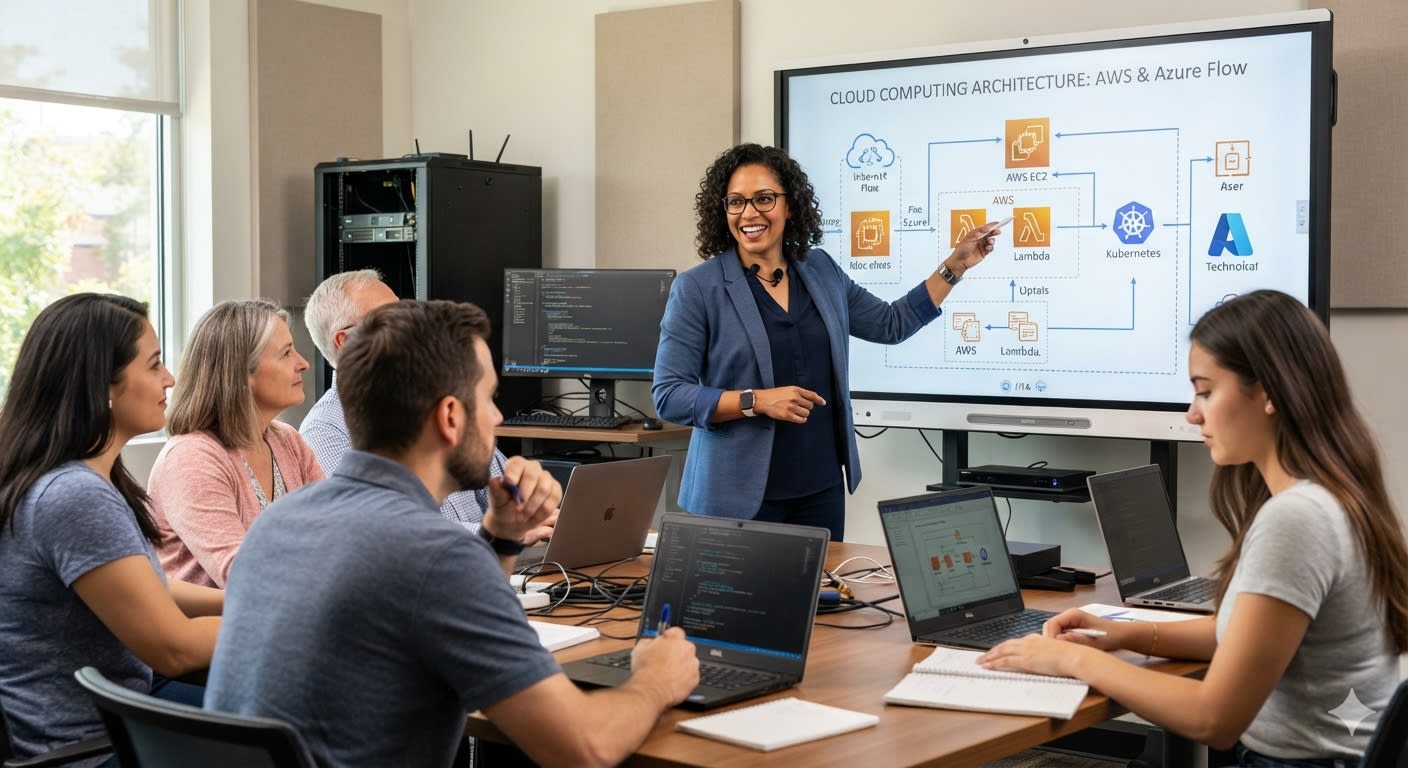
Online Endur Training is suitable for professionals who need flexible access to structured technical learning. Depending on the delivery arrangement, sessions can include live virtual classes, screen-sharing demonstrations, guided exercises, discussions, and revision materials.
Online learning can support participants in different locations, including the United States, United Kingdom, UAE, Saudi Arabia, Australia, Singapore, Canada, Germany, the Netherlands, and Qatar, subject to scheduling and service availability.
Before enrolling, confirm the course duration, class timings, time zone, session recordings, trainer interaction, prerequisites, and access to practical exercises.
CTA: Check Online Endur Training Availability
Instructor-Led Endur Training
Instructor-led Endur Training provides a guided learning experience for participants who prefer structured explanations and opportunities to ask questions.
Sessions can connect ETRM concepts with example business workflows, explain complex terminology, and help learners understand the relationship between functional requirements and technical processes.
The instructor-led format may be suitable for beginners who need a clear learning path, experienced professionals who want to deepen their knowledge, and teams preparing for a specific training objective.
The format, session frequency, batch size, and practical components should be confirmed before registration.
Corporate Endur Training for Energy and Trading Teams
Corporate Endur Training can help organizations develop a shared understanding of ETRM processes across business, functional, technical, risk, operations, and support teams.
Training can be tailored to identified skill gaps, project responsibilities, employee experience, and business requirements. Organizations may choose functional learning, technical learning, or a combined program.
A corporate training engagement can begin with a discussion of the target audience, current knowledge, required modules, learning objectives, schedule, and assessment needs.
Possible focus areas include trade lifecycle understanding, functional workflow training, developer fundamentals, technical support, integration concepts, and knowledge transfer for project teams.
Corporate training is a learning service, not automatically a software implementation engagement. Any separate consulting, configuration, development, or production implementation work must be agreed independently.
CTA: Request a Corporate Endur Training Proposal
Who Should Take Endur Training?
Endur Training may be relevant to professionals who want to understand ETRM systems or develop skills for related responsibilities.
-Fresh graduates and career changers: Build foundational knowledge of commodity markets, trading workflows, and ETRM terminology.
-Business analysts: Understand business requirements, trade lifecycle processes, and functional workflows.
-Functional consultants: Strengthen knowledge of trading, market data, risk, settlements, and reporting processes.
-Software developers: Explore relevant technical concepts, scripting, database interaction, and integration topics.
-Application support engineers: Develop a structured approach to investigating issues and understanding business impact.
-QA and testing professionals: Learn how trading workflows can inform test scenarios, expected results, and defect analysis.
-Energy and commodity professionals: Connect domain knowledge with the systems that support trading and risk processes.
-Corporate project teams: Develop consistent terminology and shared understanding across business and technology functions.
Prior knowledge requirements vary. Beginners may benefit from learning basic trading and commodity concepts before starting advanced functional or technical modules.
Real-World Endur Training Use Cases
Practical learning is most useful when it reflects the types of questions professionals encounter in trading technology environments.
Trade Lifecycle and Data Validation
Examine a sample transaction from entry through validation and downstream processing. Identify how transaction attributes, reference data, and lifecycle status influence subsequent steps.
Valuation and Profit-and-Loss Analysis
Use illustrative scenarios to understand how changes in market data or transaction details may affect valuation and P&L. Exercises should explain assumptions and distinguish example calculations from actual trading advice.
Settlement and Reconciliation Exceptions
Review a sample settlement discrepancy and trace potential causes through transaction data, business rules, and processing stages. Learn how to document findings and communicate the issue to the relevant team.
Technical Troubleshooting and Integration
Discuss example interface failures, incorrect data exchanges, or processing errors. Practise structured investigation and consider the information required to reproduce, diagnose, and resolve a technical issue.
These are training scenarios, not claims that every course includes production-system access or live client projects.
Endur Certification Preparation and Career Guidance
Learners interested in certification should first identify the exact Endur-related credential, issuing organization, eligibility requirements, and current examination details relevant to their goals.
Endur training can support professional development through structured topic reviews, technical learning, practical exercises, and interview preparation. However, a training completion certificate is not the same as an official vendor certification.
Before advertising a certification program, verify whether an applicable official credential and examination are currently available and whether the training provider is authorized to offer or administer them.
Where an applicable examination exists, preparation may include reviewing its published objectives, creating a study plan, practising relevant questions, and identifying knowledge gaps. No course can guarantee a passing score, job offer, or career outcome.
Career guidance may also include resume feedback, interview practice, and explanations of the responsibilities associated with functional, technical, QA, business analysis, and application support roles.
About Your Endur Trainer
The quality of technical training depends on clear instruction, relevant subject knowledge, and the ability to explain complex workflows.
Trainer name: [Insert verified trainer name]
Relevant experience: [Insert verified years of ETRM or Endur-related experience]
Technical expertise: [List verified areas such as functional workflows, OpenJVS, AVS, SQL, integrations, or support]
Industry background: [Describe relevant energy, commodity, consulting, or technology experience that can be substantiated]
Teaching approach: [Explain the actual training format, exercises, assessment methods, and learner support available]
Prospective learners should be able to review the trainer's relevant qualifications, experience, course outline, and delivery approach before making a decision.
Endur Training for International Learners
Our training enquiry process is designed to accommodate professionals and organizations exploring Endur learning opportunities across international markets.
Learners from the USA, Saudi Arabia, UAE, UK, Australia, Singapore, Canada, Germany, the Netherlands, and Qatar can enquire about available online options, suitable session timings, and relevant course modules.
For corporate enquiries, include the number of participants, preferred time zone, team responsibilities, current skill level, and desired training outcomes. These details help establish whether the proposed course and schedule match your requirements.
International availability, local support, payment arrangements, and delivery commitments must be confirmed individually.
Frequently Asked Questions About Endur Training
What is Endur Training?
Endur Training teaches concepts related to the Openlink Endur platform and the energy trading and risk management processes it supports. Depending on the course, topics can include trade capture, reference data, market data, valuation, risk, settlements, reporting, and technical development.
Can I learn Endur online?
Online learning may be available through live instructor-led sessions, demonstrations, and guided exercises. Confirm the course schedule, learning resources, prerequisites, and practical training arrangements before enrolling.
Is Endur Training suitable for beginners?
Beginners can start with commodity-market fundamentals, ETRM concepts, and the trade lifecycle before progressing to functional or technical modules. Advanced courses may require relevant domain or programming knowledge.
What is the difference between functional and technical Endur training?
Functional training focuses on business processes and system workflows, including trade capture, valuation, risk, settlements, and reporting. Technical training focuses on development, scripting, SQL, integrations, troubleshooting, and related technical concepts, depending on the course.
Does Endur Training include OpenJVS and AVS?
OpenJVS and AVS can be included in a technical learning path where supported by the course syllabus. Confirm the specific topics, prerequisites, version relevance, and practical exercises with the provider.
Is an official Endur certification included?
Do not assume an official certification is included. Ask for the exact credential name, issuing organization, exam details, and whether the provider is authorized to offer it. A course completion certificate does not automatically constitute vendor certification
Does Endur Training cover implementation?
Training may cover implementation concepts such as requirements analysis, configuration principles, testing, interfaces, deployment planning, and support. Actual implementation services require a separate, clearly defined scope where applicable.
Can organizations arrange corporate Endur training?
Corporate training may be tailored to team roles, experience levels, selected modules, and learning objectives. Confirm availability, schedule, group size, fees, and customization options.
Can international participants enrol?
nternational participants can enquire about available online training and compatible schedules. Availability depends on the course, time zone, delivery arrangements, and provider policies.
Start Your Endur Training Journey
Develop a clearer understanding of ETRM workflows and explore the Endur learning path that matches your professional objectives.
Whether you are an individual learner, a developer, a functional consultant, or a business looking to train a team, begin by identifying the skills you need to develop.
Request the Endur Course Syllabus to review the modules, prerequisites, and training format.
Discuss Corporate Training to explore team learning objectives, schedules, and customization.
Enquire About Technical Training to discuss OpenJVS, AVS, SQL, integration concepts, and other relevant modules.
Contact Techmunus team to discuss your requirements and determine the most appropriate learning path.