
devops training
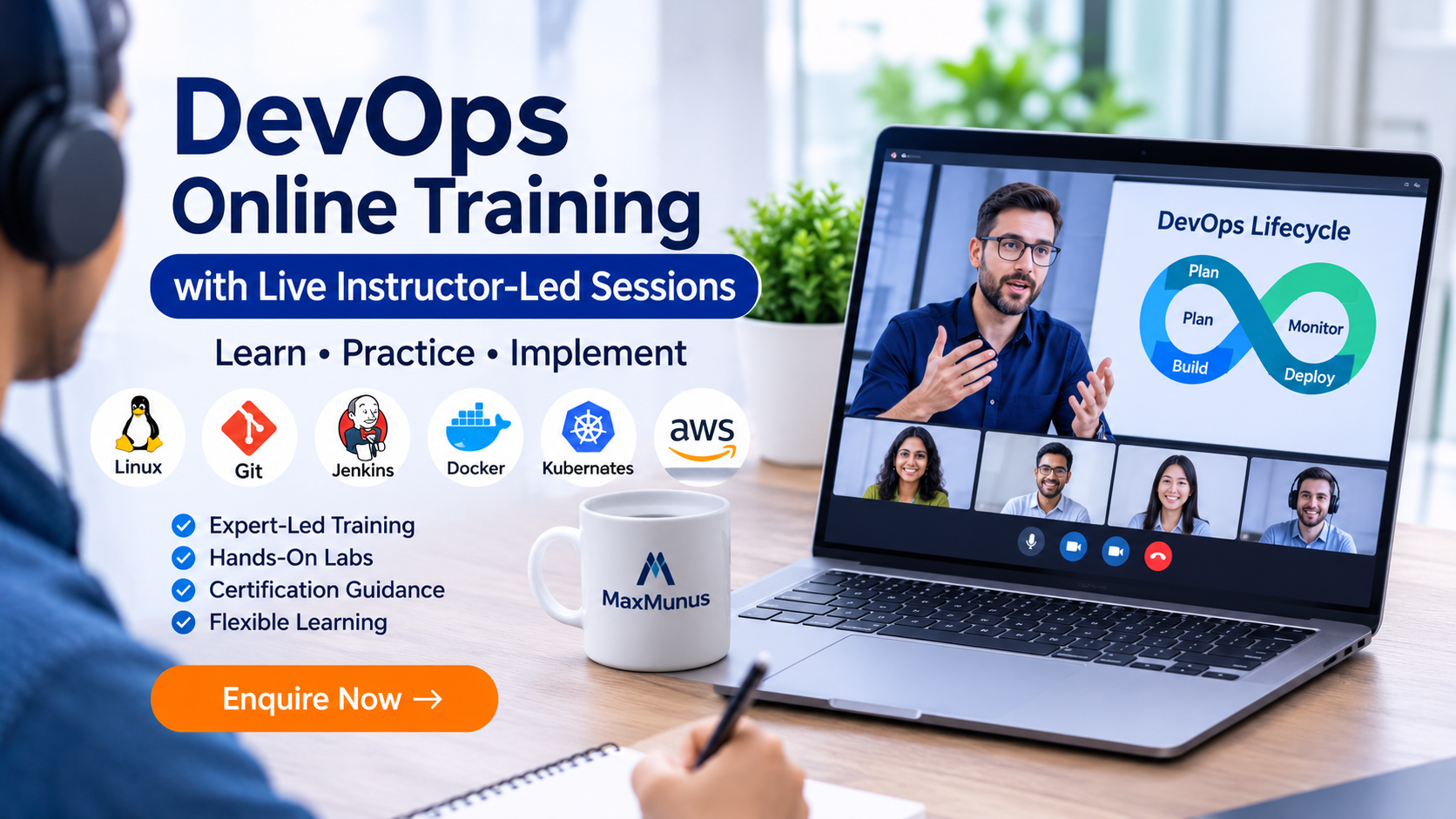
What Is DevOps Training?
DevOps training is a structured learning program that introduces professionals to the practices, processes and tools used to improve collaboration between software development and IT operations teams.
DevOps focuses on reducing manual work, improving deployment frequency, increasing software reliability and establishing repeatable delivery processes.
Through professional DevOps training, participants learn how to automate software builds, manage source code, configure infrastructure, deploy applications and monitor system performance.
The training also explains how different DevOps tools work together to create an integrated software delivery pipeline.
Key areas covered include:
- Continuous Integration and Continuous Delivery (CI/CD).
- Source code management and version control.
- Build and release automation.
- Infrastructure provisioning and configuration management.
- Containerization and orchestration.
- Cloud infrastructure and deployment.
- Monitoring, logging and operational improvement.
- Automation and scripting.
The objective is to help learners understand not just individual DevOps tools but also how these technologies support an efficient software delivery lifecycle.
H2: Why Choose TechMunus for DevOps Training?
Selecting the right DevOps course is important because DevOps involves multiple interconnected technologies and practical workflows.
At TechMunus, the training approach focuses on building a strong foundation while introducing participants to tools and scenarios commonly encountered in software development and infrastructure environments.
Our training approach includes:
- Practical learning: Understand concepts through demonstrations, exercises and guided lab activities.
- Industry-relevant curriculum: Learn technologies used across modern development and operations environments.
- Experienced trainers: Learn from subject matter experts with relevant technical and implementation experience.
- Flexible schedules: Discuss training schedules based on your availability and location.
- Customized learning: Align the course agenda with individual or corporate requirements.
- Professional development: Strengthen your technical understanding for workplace responsibilities and career progression.
- Learning assistance: Receive guidance, learning resources and clarification support according to the selected training arrangement.
H2: DevOps Training Modules and Course Curriculum
The DevOps training curriculum covers the complete software delivery workflow, from source code management to application deployment and monitoring.
The modules can be adjusted based on participants' technical backgrounds, organizational requirements and selected technologies.
H3: Module 1 – Introduction to DevOps
- Understanding DevOps concepts and principles.
- Traditional software development versus DevOps.
- DevOps lifecycle and methodology.
- Collaboration between development and operations teams.
- Continuous integration and continuous delivery.
- DevOps culture and automation.
- Benefits and challenges of DevOps adoption.
H3: Module 2 – Linux Essentials
- Introduction to Linux architecture.
- Linux installation and environment configuration.
- Essential Linux commands.
- File and directory management.
- User and permission management.
- Process management.
- Shell operations and basic troubleshooting.
H3: Module 3 – Version Control Using Git
- Introduction to source code management.
- Understanding Git architecture.
- Git installation and configuration.
- Creating and managing repositories.
- Git commit, push and pull operations.
- Branching and merging.
- Revert, rollback and conflict resolution.
- Working with GitHub and GitLab.
H3: Module 4 – Build Management Using Maven
- Introduction to build automation.
- Understanding Maven architecture.
- Maven installation and configuration.
- Maven project structure.
- Understanding POM files.
- Maven lifecycle and dependencies.
- Plugin management.
- Multi-module project management.
H3: Module 5 – Continuous Integration Using Jenkins
- Introduction to continuous integration.
- Jenkins architecture and installation.
- Jenkins configuration and administration.
- Creating and managing Jenkins jobs.
- Jenkins pipeline fundamentals.
- Integrating Jenkins with Git.
- Build automation and testing workflows.
- Plugin management.
- Pipeline troubleshooting and execution.
H3: Module 6 – Configuration Management Using Ansible
- Introduction to configuration management.
- Ansible architecture and installation.
- Inventory configuration.
- YAML fundamentals.
- Ansible modules and commands.
- Creating and executing playbooks.
- Roles and variables.
- Automating infrastructure configuration.
- Practical configuration management scenarios.
H3: Module 7 – Containerization Using Docker
- Introduction to containerization.
- Containers versus virtual machines.
- Docker architecture and components.
- Docker installation and configuration.
- Creating and managing containers.
- Docker images and registries.
- Dockerfiles and image creation.
- Volumes and networking.
- Docker Compose.
- Containerizing applications.
H3: Module 8 – Kubernetes and Container Orchestration
- Introduction to Kubernetes.
- Kubernetes architecture.
- Understanding clusters and nodes.
- Pods, deployments and services.
- ConfigMaps and Secrets.
- Namespaces and resource management.
- Scaling and rolling updates.
- Application deployment and management.
- Container orchestration scenarios.
H3: Module 9 – Cloud Computing and AWS Fundamentals
- Introduction to cloud computing.
- IaaS, PaaS and SaaS service models.
- AWS account fundamentals.
- Identity and Access Management (IAM).
- Amazon EC2 and S3.
- Virtual Private Cloud (VPC).
- Elastic Load Balancing.
- Auto Scaling.
- CloudWatch and monitoring fundamentals.
- Cloud-based application deployment.
H3: Module 10 – Infrastructure as Code Using Terraform
- Introduction to Infrastructure as Code.
- Terraform installation and configuration.
- Terraform providers.
- Resources and variables.
- Terraform configuration files.
- State management.
- Plan and apply commands.
- Reusable modules.
- Infrastructure provisioning exercises.
H3: Module 11 – Release Management and CI/CD Pipelines
- Understanding release management.
- Continuous delivery versus continuous deployment.
- CI/CD pipeline architecture.
- Automated build and deployment workflows.
- Application testing and code quality.
- Artifact management.
- Deployment strategies.
- Release promotion and rollback.
- Pipeline monitoring and troubleshooting.
H3: Module 12 – Monitoring, Logging and Automation
- Introduction to application monitoring.
- Infrastructure monitoring fundamentals.
- Understanding logs and metrics.
- Prometheus and Grafana fundamentals.
- Monitoring application availability.
- Identifying performance issues.
- Alerting and incident management.
- Automation using scripting.
- Introduction to Python and shell scripting.
Note: Specific tools, cloud services and module depth can be customized. Advanced topics may require additional training time and prerequisites.
H2: DevOps Online Training
TechMunus offers instructor-led online DevOps training for professionals who prefer learning remotely without compromising on practical understanding.
The online DevOps course is suitable for working professionals, fresh graduates, developers, system administrators and IT teams located in different countries.
Participants can attend live interactive sessions, discuss technical questions with the trainer and work through practical exercises based on the selected course agenda.
Online training features:
- Live instructor-led virtual sessions.
- Flexible scheduling based on trainer and learner availability.
- Practical demonstrations and guided exercises.
- Interactive question-and-answer sessions.
- Course materials and reference resources.
- Training progress and learning assistance.
Our online training can accommodate learners across different time zones, including North America, Europe, the Middle East, Asia-Pacific and other international locations.
CTA: Interested in Online DevOps Training?
Contact our training team to discuss available schedules, course coverage and enrollment details.
H2: Instructor-Led DevOps Training
Instructor-led DevOps training provides an interactive learning experience where participants can learn directly from a trainer with relevant technical expertise.
Instead of relying entirely on recorded tutorials, learners can discuss concepts, understand implementation approaches and clarify technical challenges during live sessions.
The instructor-led program can include:
- Step-by-step explanations of DevOps concepts.
- Live demonstrations of DevOps tools.
- CI/CD pipeline development exercises.
- Docker and Kubernetes practical sessions.
- Infrastructure automation demonstrations.
- Real-world deployment scenarios.
- Technical discussions and troubleshooting exercises.
The training agenda can be adjusted depending on whether the learner is a beginner, an experienced IT professional or someone preparing for a DevOps-related certification.
H2: Corporate DevOps Training for Organizations
Organizations adopting DevOps practices need technical teams who understand automation, collaboration, infrastructure management and continuous delivery.
TechMunus provides customized corporate DevOps training programs for organizations looking to strengthen their development, infrastructure, cloud and operations capabilities.
Corporate training can be aligned with your existing technology stack, team experience and business objectives.
Corporate DevOps training can cover:
- DevOps fundamentals and transformation strategies.
- Enterprise CI/CD pipeline development.
- Jenkins and Git integration.
- Docker and Kubernetes adoption.
- Infrastructure as Code using Terraform.
- Ansible-based configuration management.
- Cloud infrastructure automation.
- Deployment and release management.
- Monitoring and operational practices.
Training delivery can be discussed for online instructor-led sessions or classroom-based programs, depending on organizational requirements.
CTA: Planning DevOps Training for Your Team?
Share your team size, preferred technologies and training objectives to discuss a customized corporate learning program.
H2: Who Should Take DevOps Training?
The DevOps course is suitable for individuals who want to understand modern software delivery and infrastructure automation.
The following professionals can benefit from the training:
H3: Software Developers
Developers can understand source code management, build automation, CI/CD workflows and application deployment processes.
H3: System Administrators
System administrators can develop skills in infrastructure automation, configuration management, cloud environments and container technologies.
H3: Cloud and Infrastructure Engineers
Cloud professionals can strengthen their knowledge of infrastructure provisioning, deployment automation and cloud-based DevOps workflows.
H3: QA and Testing Engineers
Testing professionals can understand continuous integration, automated testing integration and software release workflows.
H3: IT Operations and Support Professionals
Operations professionals can learn application monitoring, deployment processes, troubleshooting and infrastructure management.
H3: Fresh Graduates and Beginners
Individuals with basic computer, programming or Linux knowledge can use the course to build a foundation in DevOps technologies.
H3: Technical Leads and Managers
Technical leaders can understand DevOps practices, team collaboration, automation strategies and software delivery processes.
H2: Real-World DevOps Use Cases
DevOps is applied across industries to improve software delivery, automate infrastructure and maintain reliable application environments.
Our training introduces practical scenarios that help learners understand how DevOps tools can be used in professional environments.
1. Automated Application Deployment
A development team needs to deploy application updates frequently. Jenkins can automate build and deployment steps after code changes are committed to a Git repository.
2. Containerized Application Management
An organization wants consistent application environments across development, testing and production. Docker helps package applications and dependencies into containers.
3. Kubernetes-Based Application Scaling
An application experiences fluctuating traffic. Kubernetes can help manage containerized workloads, scaling and application availability.
4. Infrastructure Provisioning
A cloud engineering team needs repeatable infrastructure deployments. Terraform can define and provision infrastructure through version-controlled configuration files.
5. Configuration Automation
An organization manages multiple servers and needs consistent configurations. Ansible can automate software installation, configuration updates and operational tasks.
6. Continuous Integration and Delivery
A software team wants to reduce manual release activities. A CI/CD pipeline can connect source control, automated builds, testing and deployment stages.
These examples help participants understand how different tools contribute to a complete DevOps workflow.
H2: DevOps Certification Training and Preparation
DevOps certifications can help professionals demonstrate their understanding of specific tools, platforms and engineering practices. They may also support career development and provide a structured learning path.
TechMunus DevOps training can include certification-oriented learning and preparation guidance based on the participant's preferred certification track.
H3: Popular DevOps Certification Paths
Depending on your career goals and technology interests, you can explore the following certification options:
|
Certification |
Certification focus |
|
AWS Certified DevOps Engineer – Professional |
AWS automation, CI/CD, monitoring and cloud operations |
|
Microsoft Certified: DevOps Engineer Expert |
Azure DevOps practices, pipelines, security and monitoring |
|
Certified Kubernetes Administrator (CKA) |
Kubernetes administration and cluster management |
|
HashiCorp Certified: Terraform Associate |
Infrastructure as Code and Terraform fundamentals |
|
Certified Kubernetes Application Developer (CKAD) |
Kubernetes application development and deployment |
Certification requirements, examination formats and eligibility criteria are controlled by the respective certification providers and may change.
H3: DevOps Certification Preparation Support
Our certification-oriented training approach can help participants:
- Understand the relevant certification syllabus.
- Identify important technical concepts.
- Strengthen their knowledge of DevOps tools.
- Practise practical scenarios related to the certification.
- Review important topics and technical terminology.
- Identify knowledge gaps through practice exercises.
- Develop an individual exam preparation plan.
Important: DevOps training completion does not automatically provide a third-party vendor certification. Participants must register for and pass the applicable certification examination through its official provider. Certification examination fees, where applicable, are separate unless explicitly included in a training agreement.
H2: DevOps Implementation Training and Professional Development
Understanding DevOps concepts is only one part of professional development. Applying those concepts to actual software delivery environments requires an understanding of workflows, dependencies, tools and operational challenges.
Our DevOps implementation-oriented learning approach helps participants understand how different technologies work together.
Depending on the selected training agenda, implementation discussions may include:
- Setting up source code repositories.
- Connecting Git repositories with Jenkins.
- Creating automated build pipelines.
- Integrating testing into CI/CD workflows.
- Building Docker images.
- Deploying containerized applications.
- Managing application deployments through Kubernetes.
- Automating cloud infrastructure using Terraform.
- Configuring systems using Ansible.
- Monitoring deployments and identifying operational issues.
These activities help learners develop a practical understanding of the DevOps lifecycle and the responsibilities associated with development and operations environments.
H2: About the DevOps Trainer
The quality of technical training depends significantly on the trainer's practical knowledge and ability to explain complex concepts.
At TechMunus, DevOps training is delivered by subject matter experts selected according to the technologies and topics included in the training agenda.
The trainer-led learning approach focuses on connecting technical concepts with practical scenarios, tool demonstrations and implementation workflows.
Training discussions may include:
- Professional experience with DevOps tools and technologies.
- Practical CI/CD pipeline implementation.
- Cloud infrastructure and automation.
- Containerization and orchestration.
- Configuration and release management.
- Technical troubleshooting and best practices.
Participants can discuss the trainer's relevant experience, technology specialization and course coverage with the TechMunus team before enrollment.
Website publishing recommendation: Add the assigned trainer's verified name, professional photograph, relevant certifications, years of experience, technical specializations and implementation background here. Do not publish unverified credentials or experience claims.
H2: DevOps Training for International Professionals
TechMunus welcomes training enquiries from individuals and organizations across international markets.
Our online instructor-led delivery model can be discussed with learners and corporate teams in different geographical locations.
We support training enquiries from:
- USA: DevOps skills for software development, cloud engineering and automation professionals.
- Saudi Arabia: Professional DevOps learning for IT infrastructure and digital transformation teams.
- UAE: Technical training for cloud, application development and enterprise IT professionals.
- UK: DevOps learning for developers, system administrators and engineering teams.
- Australia: Online professional development in automation and software delivery.
- Singapore: DevOps training for technology and cloud infrastructure professionals.
- Canada: Practical DevOps learning for software and IT operations teams.
- Germany: Professional training in CI/CD, containerization and infrastructure automation.
- Netherlands: DevOps education for application engineering and cloud operations professionals.
- Qatar: Customized DevOps learning programs for individuals and corporate technology teams.
Training schedules can be discussed according to participant availability and the relevant local time zone.
H2: DevOps Training – Frequently Asked Questions
H3: 1. What is covered in DevOps training?
The DevOps training curriculum covers Linux, Git, Maven, Jenkins, Ansible, Docker, Kubernetes, cloud computing, Terraform, CI/CD pipelines, release management and monitoring. The exact modules can be customized according to your learning requirements.
H3: 2. Is DevOps training available online?
Yes. TechMunus offers instructor-led online training. Participants can attend live virtual sessions, interact with trainers and practise concepts through guided exercises.
H3: 3. Is this DevOps course suitable for beginners?
Yes. Beginners with basic computer knowledge and an interest in IT can start with foundational DevOps concepts. Basic Linux and programming knowledge can be helpful for understanding advanced modules.
H3: 4. Do I need programming knowledge to learn DevOps?
Advanced programming expertise is not mandatory to start learning DevOps. However, familiarity with Linux commands, scripting and basic programming concepts can make it easier to understand automation and CI/CD workflows.
H3: 5. Which DevOps tools will I learn?
Depending on the selected curriculum, you can learn Git, GitHub, GitLab, Maven, Jenkins, Ansible, Docker, Kubernetes, Terraform, AWS and monitoring tools such as Prometheus and Grafana.
H3: 6. Does TechMunus provide corporate DevOps training?
Yes. Corporate DevOps training can be customized according to your organization's technology stack, employee skill levels, training objectives and preferred delivery method.
H3: 7. Will I receive practical training?
The course can include practical demonstrations, guided lab exercises, CI/CD pipeline activities, containerization exercises and infrastructure automation scenarios.
H3: 8. Does DevOps training include certification preparation?
Certification-oriented guidance can be incorporated into the training program. The learning plan can be aligned with relevant certification objectives, including AWS, Microsoft Azure, Kubernetes and Terraform certifications.
H3: 9. Will I receive a certificate after completing the course?
Participants can enquire about the course completion certificate offered by TechMunus. A training completion certificate is different from an independent certification issued by AWS, Microsoft, CNCF or HashiCorp.
H3: 10. How long does DevOps training take?
The duration depends on the selected modules, practical coverage, participant experience and training schedule. Contact our team for the current course duration and batch availability.
H3: 11. Can working professionals attend DevOps classes?
Yes. Online instructor-led sessions can be scheduled based on trainer availability and the participant's preferred learning hours.
H3: 12. Does TechMunus provide job placement after DevOps training?
Training focuses on technical knowledge and professional skill development. Job placement is not guaranteed. Participants can enquire about any available career guidance or interview preparation assistance separately.
H3: 13. Is DevOps training available for international students?
Yes. International professionals can enquire about online instructor-led training from countries including the USA, UK, UAE, Saudi Arabia, Australia, Canada, Singapore, Germany, Netherlands and Qatar.
H3: 14. Can the DevOps course be customized?
Yes. The course agenda can be discussed and customized according to individual or corporate learning objectives, preferred tools and technical requirements.
H2: Start Your DevOps Training with TechMunus
Build your understanding of modern software delivery, automation and cloud infrastructure with professional DevOps training.
You can Contact Techmunus whether you want to learn DevOps from the beginning, improve your existing technical skills, prepare for a certification or train your enterprise team, TechMunus can help you identify a suitable learning program.